VANILLA BEANS | SOYBEAN OIL | SOYMEAL & CAKE | COCOA BEANS | COFFEE BEANS
Why Ugandan Arabica Coffee Deserves a Permanent Spot on Your Roastery’s Menu!
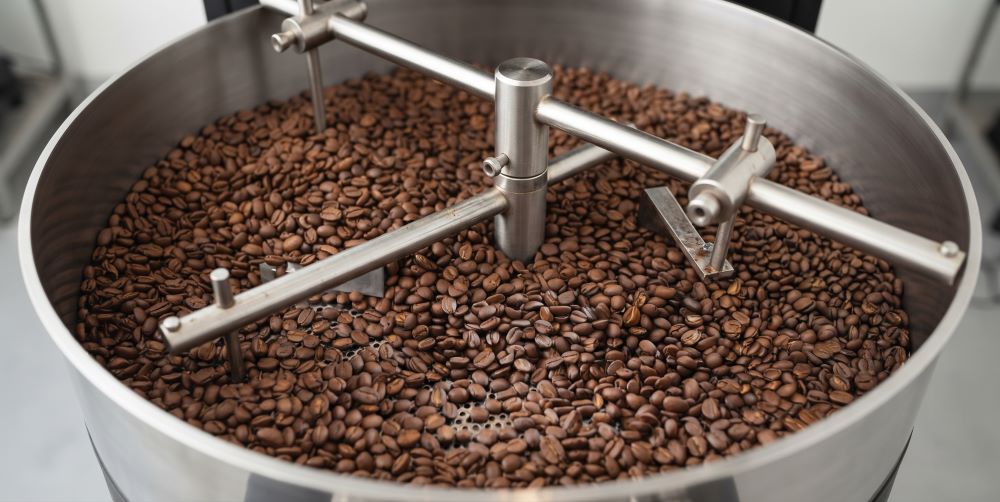
Hello there, fellow Arabica coffee lover, roaster, or explorer! If you’ve ever experienced the sheer magic of a cup that dances on your palate with bright citrus notes, delicate floral aromas, and a silky, wine-like body, you already know the spell of Arabica.
And if you are looking to source green Arabica coffee that delivers breathtaking complexity, exceptional cup scores, and a story deeply rooted in some of the most fertile volcanic mountain ranges on earth, you are in exactly the right place.
Here at UGP Traders (U) Limited, we are passionate about connecting visionary roasters and buyers worldwide with the pristine highlands of Uganda. While our native Robusta brings the bold, chocolatey punch you might already love, our Ugandan Arabica is an absolute masterpiece of elegance—crafted just for you by cool mountain mists, rich volcanic soils, and generations of expert farming heritage.
Grab a warm mug, pull up a chair, and let’s explore together the origins, the science, and the exceptional grades that make Ugandan Arabica an irresistible addition to your offerings.
The Origins & History of Ugandan Arabica Coffee: From Mountain Slopes to Your Cup
 Cappuccino with Uganda Arabica Coffee
While Coffea canephora (Robusta Coffee) calls the tropical rainforest basins of Uganda home, Arabica Coffee (Coffea arabica) arrived on our shores with a spirit of adventure and found an immediate paradise in Uganda’s high-altitude volcanic soils.
- The Journey to East Africa: Unlike Ethiopia—the legendary ancient cradle of wild Arabica—Arabica cultivation was systematically introduced to Uganda in the early 20th century (around 1900–1912) by colonial botanists and visionary local chiefs who recognized that Uganda’s towering mountain ranges mirrored the ideal growing conditions you look for in high-altitude specialty coffee.
- The Volcanic Sanctuaries: Arabica found its true calling planted on the mineral-rich, porous volcanic soils flanking Uganda’s most majestic peaks. Slopes surrounding Mount Elgon (straddling the eastern border with Kenya), the Rwenzori Mountains (the legendary "Mountains of the Moon" in the west), and the high-altitude volcanic highlands of the West Nile region offered you and your roastery the perfect microclimate: cool daytime temperatures, misty tropical nights, and abundant organic nutrients.
- Generational Stewardship: Today, Arabica in Uganda is primarily cultivated by dedicated smallholder farming families who tend their plots by hand on steep, misty mountain terraces just for you. These farmers pass down harvesting traditions from generation to generation—selectively hand-picking only the fully ripe, ruby-red coffee cherries at peak maturity so that you receive nothing short of excellence.
When you source Ugandan Arabica, you aren't just buying commodity beans; you are honoring a century-old tradition of mountain agriculture where every harvest is a personal labor of love delivered straight to your hands.
The Science Behind the Flavor Profile: Why Do Our Arabica Coffee Beans Taste So Extraordinary?
Have you ever wondered why Ugandan Arabica commands such high praise on the cupping table? It is a fascinating interplay of botany, elevation, chemistry, and meticulous processing designed to delight your senses:
- High-Altitude Slow Ripening: Most of Uganda’s premier Arabicas thrive at breathtaking elevations between 1,400 and 2,200 meters above sea level. At these heights, cooler temperatures cause the coffee cherries you love to mature much more slowly. This prolonged ripening period allows natural sugars, complex amino acids, and aromatic precursors to concentrate densely inside the bean just for your roastery.
- Volcanic Soil Mineralogy: The volcanic and sandy-loam soils of Mount Elgon and the Rwenzoris are packed with essential micronutrients like potassium, magnesium, and phosphorus. These minerals fuel the coffee plant’s enzymatic pathways, directly influencing the bright, vibrant acidity and complex flavor profiles you will taste in every sip.
- Higher Sugars & Balanced Lipids: Compared to Robusta, Arabica naturally contains nearly double the sucrose and higher lipid content. During your roasting process, these natural sugars caramelize beautifully, yielding sweet fruit notes, caramel undertones, and a smooth, elegant body without any harsh bitterness to distract you.
- Chlorogenic Acids & Delicate Acidity: The specific elevation and microclimates regulate the bean's organic acid composition (such as citric, malic, and phosphoric acids), giving Ugandan Arabica the sparkling, clean brightness you crave—reminiscent of crisp green apples, ripe berries, or sweet citrus.
Arabica Coffee Processing Methods: The Art of the Wash & The Sun-Dried Natural
How we process our Arabica beans after harvest is where science meets pure artistry—crafted specifically to give you options that match your exact flavor preferences:
The Washed Process (Wet-Processed / Clean & Vibrant)
- The Method: Freshly harvested, ripe red cherries are immediately pulped on the same day to remove the outer skin. The beans (still encased in their sticky mucilage layer) are placed in fermentation tanks for 24 to 36 hours, where natural enzymes break down the mucilage. They are then thoroughly washed in pristine, cool mountain spring water before being gently sun-dried on raised African drying beds until they reach the optimal 11% to 12% moisture content you require for stable roasting.
- The Cup Experience: Washed Ugandan Arabicas are celebrated for their sparkling clarity, bright and lively acidity, refined floral aromas, and clean, tea-like bodies with crisp citrus or stone-fruit finishes that you can proudly showcase to your customers.
The Dried Natural Process (Dry-Processed / Fruit-Forward & Syrupy)
- The Method: Whole, perfectly ripe coffee cherries are hand-sorted and laid out whole on raised African drying beds under the warm equatorial sun. For 2 to 3 weeks, the cherries are continuously turned by hand to ensure even drying while the bean absorbs the rich, sugary flavors directly from the drying fruit pulp and mucilage. Once dried to perfection for you, the outer dried husk is gently hulled away.
- The Cup Experience: Natural-process Ugandan Arabicas are bold, adventurous, and intensely sweet. Expect heavy, jammy fruit notes (like blueberry, blackberry, or tropical fruit), heavy wine-like bodies, and decadent chocolate aromatics that will instantly captivate anyone sitting across from you at the cupping table.
Technical Specifications & Uganda’s Star Arabica Coffee Grades and Specialties
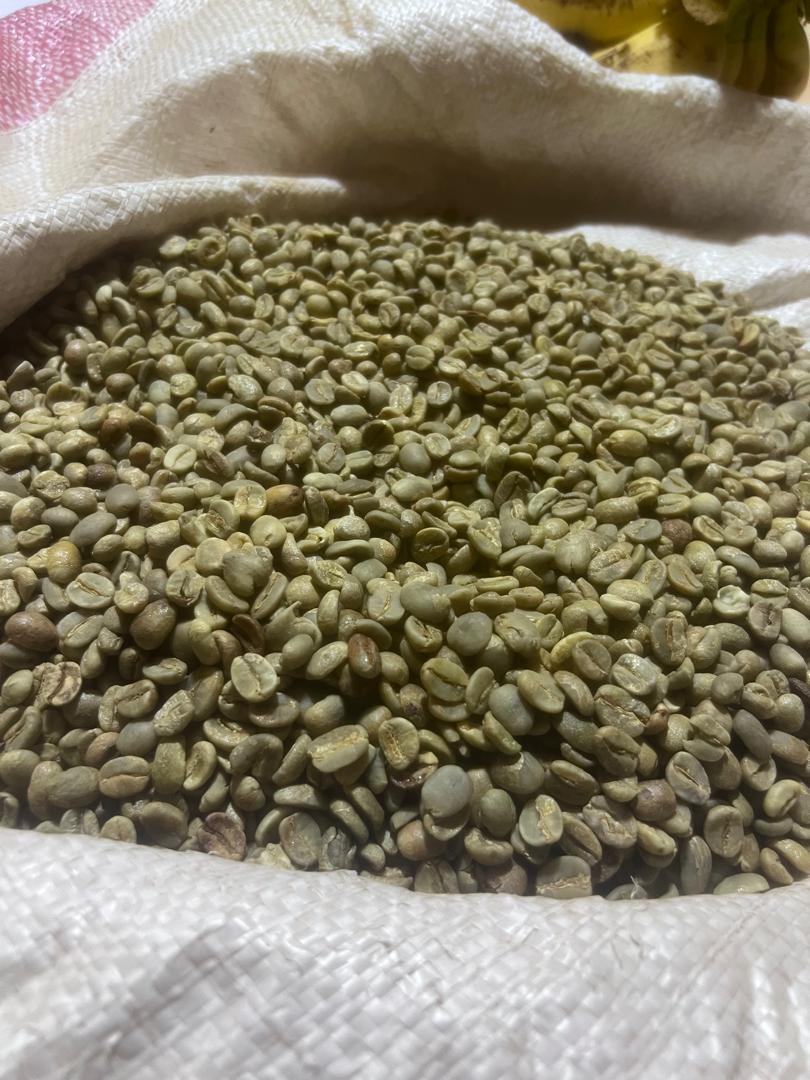 Uganda Arabica Coffee Beans (DRUGA)
When you partner with us, you are guaranteed strict quality control, precise sizing, and export readiness tailored to your business needs. Ugandan Arabica is meticulously graded based on bean screen size, altitude, and cup quality:
Bugisu AB & AA (Mount Elgon Region):
- What you get: Grown on the fertile, ash-enriched slopes of Mt. Elgon. Grade AA represents the largest, most uniform beans (screen 18+) hand-selected for your premium lines.
- Your cup profile: Rich body, balanced medium-high acidity, distinct chocolate notes underscored by sweet berries and floral undertones.
WUGAR (Washed Ugandan Arabica):
- What you get: Premium wet-processed Arabica originating from the Elgon and eastern highlands, carefully sorted so you enjoy total export consistency. Clean, uniform, and reliable.
DRUGAR (Dried Ugandan Arabica):
- What you get: Naturally sun-dried Arabica from the eastern mountain slopes, giving you a heavier body, sweeter profile, and lower, smoother acidity.
Rwenzori Snow Peaks / Kasese High-Altitude Arabica:
- What you get: Grown in the mineral-rich shadow of the snow-capped Rwenzori Mountains. These high-elevation beans boast exceptional density, bright citrus acidity, jasmine floral notes, and a wonderfully complex, lingering finish you will love.
Specialty Micro-Lots:
- If you are a roaster seeking absolute perfection, our specialty micro-lots achieve SCAA cupping scores of 84+ to 88+. Hand-selected, single-origin lots with traceable farmer-group provenance, offering exotic flavor profiles that shine brightly in your pour-overs and single-origin espresso programs.
Moisture & Packaging Standards:
Strictly maintained at 11.5% to 12% moisture to protect your investment, packed securely in traditional 60 kg jute bags lined with GrainPro or Ecotact barriers to preserve green coffee freshness during ocean transit right to your door.
Roasting Recommendations & Sensory Sweet Spot
How can you bring out the absolute best in Ugandan Arabica once it lands in your roastery? Here is our friendly advice to help you succeed:
Sensory Profile Overview:
Expect a symphony of sweet citrus, jasmine florals, milk chocolate, and ripe berries, balanced by a refined, silky mouthfeel that you and your customers will appreciate.
Your Roasting Sweet Spot:
- For Washed Arabicas, aim for a Light to Medium Roast (dropping just around or slightly after First Crack) to preserve the sparkling citric acidity and delicate floral notes you want in your cup.
- For Natural-Process Arabicas, a Medium Roast highlights the luscious fruit jam sweetness and smooth chocolate body while softening any wild edges for a crowd-pleasing profile.
Bring the Magic of Ugandan Arabica to Your Roastery
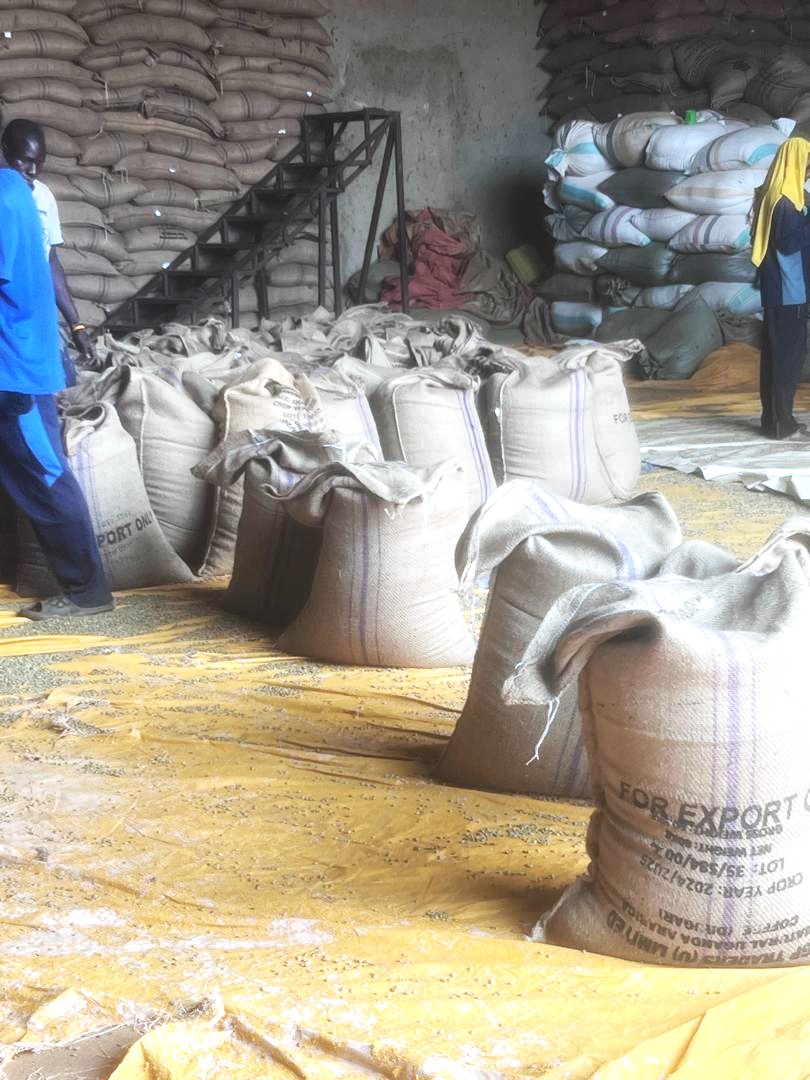 Commercial Grade Arabica Coffee
Whether you are looking to curate an exquisite single-origin pour-over menu, elevate your specialty espresso blends, or secure reliable, direct-origin green coffee partnerships, UGP Traders (U) Limited is right here beside you to walk every step of the journey.
Are you curious about samples, container specifications, or custom seasonal lots? Let’s talk today about sourcing your next batch straight from the mountain source!
If you haven't yet found what you were looking for or you need detailed information about the subject matter on this page then... feel free to ask our business travel consultants. |