VANILLA BEANS | SOYBEAN OIL | SOYMEAL & CAKE | COCOA BEANS | COFFEE BEANS
Why Ugandan Robusta Coffee Is About to Become Your Roastery’s Best-Kept Secret
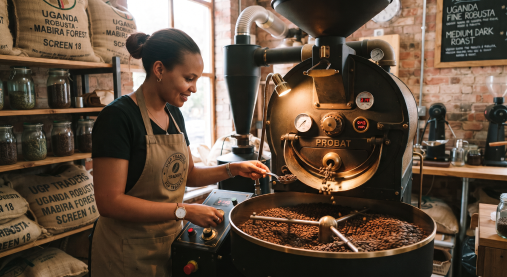
Hello there, fellow coffee lover, roaster, or explorer! If you’ve been paying attention to the evolving specialty coffee world lately, you’ve probably noticed something wonderful: Robusta Coffee is having a massive glow-up.
Gone are the days when Robusta was written off as the bitter, misunderstood cousin of Arabica. Today, visionary roasters, espresso masters, and innovators are waking up to what we here in Uganda have always known: exceptional high-altitude Robusta is an absolute game-changer.
And when it comes to the finest Robusta Coffee on planet Earth, Uganda isn't just a participant—we are the historic, native birthplace of it!
If you are looking to elevate your roastery’s blends, understand the fascinating science behind these resilient beans, or source direct-origin green coffee that hits different, grab a warm mug and read on.
Uganda the Birth Place of Robusta Coffee
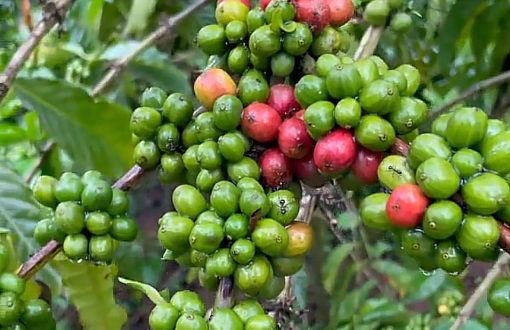
The story of Uganda as the native birthplace of Robusta (Coffea canephora) is a fascinating mix of ancient ecology, indigenous tradition, and botanical survival.
While many coffee drinkers associate coffee entirely with Ethiopia (the birthplace of Arabica), Uganda holds a unique and distinct title in global coffee history. Here is the story behind why Uganda is the true heartland of Robusta:
Growing Wild in the Ancient Rainforests: Long before humans ever decided to roast, grind, or brew a bean, Robusta coffee was already thriving as an understory shrub in the dense, tropical rainforests surrounding the Lake Victoria basin and Central-Western Uganda (such as the Mabira, Budongo, and Kibale forest ecosystems).
Unlike Arabica—which is famously fragile and finicky—Robusta evolved natively in these lower, warmer, and more humid African equatorial zones. It developed an incredible genetic resilience, pumping out natural caffeine and chlorogenic acids to protect itself against the intense sun and aggressive insects found in the jungle. To this day, Uganda is recognized as one of the very few places on earth where Coffea canephora still grows genuinely wild in its original forest habitats.
Centuries of Indigenous Use: Centuries before European colonial powers arrived or commercial farming took root, local indigenous communities in Uganda—such as the Baganda and other native groups living around Lake Victoria—had a deep relationship with the plant.
- Instead of brewing it as a hot drink, communities like the Banyankole and Baganda traditionally harvested the fresh coffee cherries to chew them raw.
- The sticky, sweet mucilage combined with the high caffeine content served as a natural stimulant, a fatigue-fighter during long journeys or hunts, and an important social element used during peace-making rituals and cultural ceremonies.
Saving the Global Coffee Supply: The wild heritage of Ugandan Robusta ultimately changed the course of global coffee history at the turn of the 20th century.
In the late 1800s, a devastating fungal disease known as coffee leaf rust (Hemileia vastatrix) swept across the globe, wiping out vast swathes of prized Arabica plantations in Sri Lanka, Java, and parts of Asia and Africa. The global coffee trade was facing total collapse. Botanists and traders frantically searched for a hardier plant that could survive the blight.
That search led them to the resilient, disease-resistant coffee varieties flourishing natively in Uganda. Scientists cataloged and propagated these plants, introducing them to the world under the name Coffea robusta (due to its robust, tough-as-nails nature).
Why This Matters Today: When you cup a high-grade Ugandan Robusta today, you aren't just tasting a commercial commodity—you are tasting centuries of evolutionary history. The unique microclimates of the Lake Victoria basin gave the plant its complex genetic diversity, which is why modern Ugandan Robusta (especially high-altitude selections like Screen 18) yields a much cleaner, sweeter, and heavier-bodied
The Science Behind the Flavor Profile: Why Do Our Beans Hit Different?
 Espresso for Robusta Coffee
Why does Ugandan Robusta Coffee taste so rich, heavy, and distinct? It all comes down to botany, evolution, and chemical composition working together in our unique microclimates:
- The High-Altitude Advantage: While most commercial Robusta across the globe is grown in hot lowlands, the majority of Uganda’s coffee thrives at sweet elevations between 1,100 and 1,500 meters around the fertile crescent of the Lake Victoria basin. That extra altitude means our coffee cherries take their time ripening, packing the bean with dense, complex flavors.
- Double the Caffeine (Natural Plant Defense): Robusta plants typically contain 2.2% to 2.7% caffeine, compared to Arabica’s 1.2% to 1.5%. Caffeine is nature’s natural insecticide, produced by the plant to ward off pests. Because Robusta evolved in warmer, lower zones with more bugs, it pumped up its natural caffeine. Scientifically, this gives it that clean, brisk bitterness that forms the backbone of a great espresso punch.
- Lower Sugars & Heavy Lipids: Robusta has roughly half the sugar and fewer lipids than Arabica, which means fewer fruity, volatile acids develop during roasting. Instead, you get deep, earthy, chocolatey, and woody compounds (like pyrazines) that create an exceptionally heavy, velvety mouthfeel.
- Chlorogenic Acids (CGAs): Packed with powerful antioxidants, our beans develop a remarkably clean cup when sun-dried naturally under strict Uganda Coffee Development Authority (UCDA) standards, leaving behind zero harsh taints.
Technical Specifications & Uganda's Star Robusta Coffee Grades
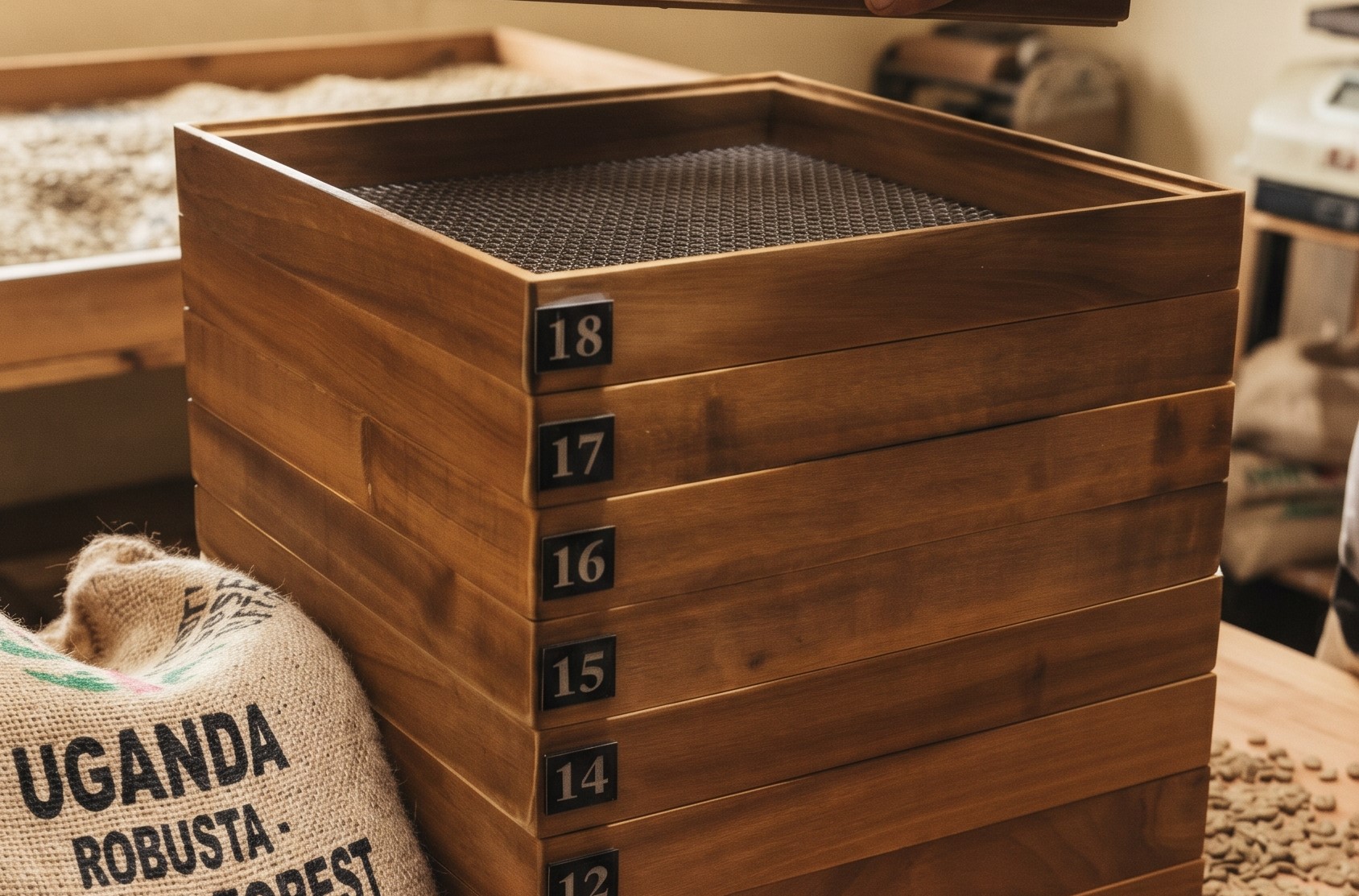
When you are ready to source, you want to know you are getting consistency and size uniformity. Ugandan Robusta is strictly graded and sorted by screen size (sieve diameters measured in 64ths of an inch):
- Screen 18 (The Royalty): Featuring a minimum 92% retention on the 7.14 mm sieve and strict defect counts under 7%, these large, uniform beans are the ultimate choice for specialty roasters seeking pristine quality and stunning crema.
- Screen 15 (The Workhorse): Retaining a minimum 90% on the 5.95 mm sieve, this grade offers a fantastic balance of performance, availability, and value for high-volume operations.
- FAQ - Fair Average Quality (The Baseline Standard): Screen 12+ dependable standard utilized worldwide for large-scale commercial blends and soluble coffee manufacturing.
- Specialty Robusta Coffee Grading (The Fine Robusta Movement): If you are stepping into the cutting-edge world of specialty coffee, you need to know about Fine Robusta standards. Moving beyond traditional commercial screen sizes, specialty-grade Ugandan Robusta is evaluated using rigorous Cupping protocols established by the Coffee Quality Institute (CQI). To earn the coveted "Fine Robusta" designation, the coffee must achieve a CQI cupping score of 80 points or higher, exhibit zero primary defects (such as black or sour beans), and display exceptionally clean cup profiles with distinct aromatic complexity (think sweet floral notes, ripe stone fruit, or rich caramel rather than traditional rubbery or medicinal tones). It’s the ultimate expression of what Robusta can achieve when grown at high altitudes and processed with absolute precision!
- Moisture & Packaging: Maintained at a maximum of 12.5% moisture and packed in standard 60 kg jute bags (with GrainPro/Ecotact liners available upon request for safe ocean transit).
Cup Profile and Roasting
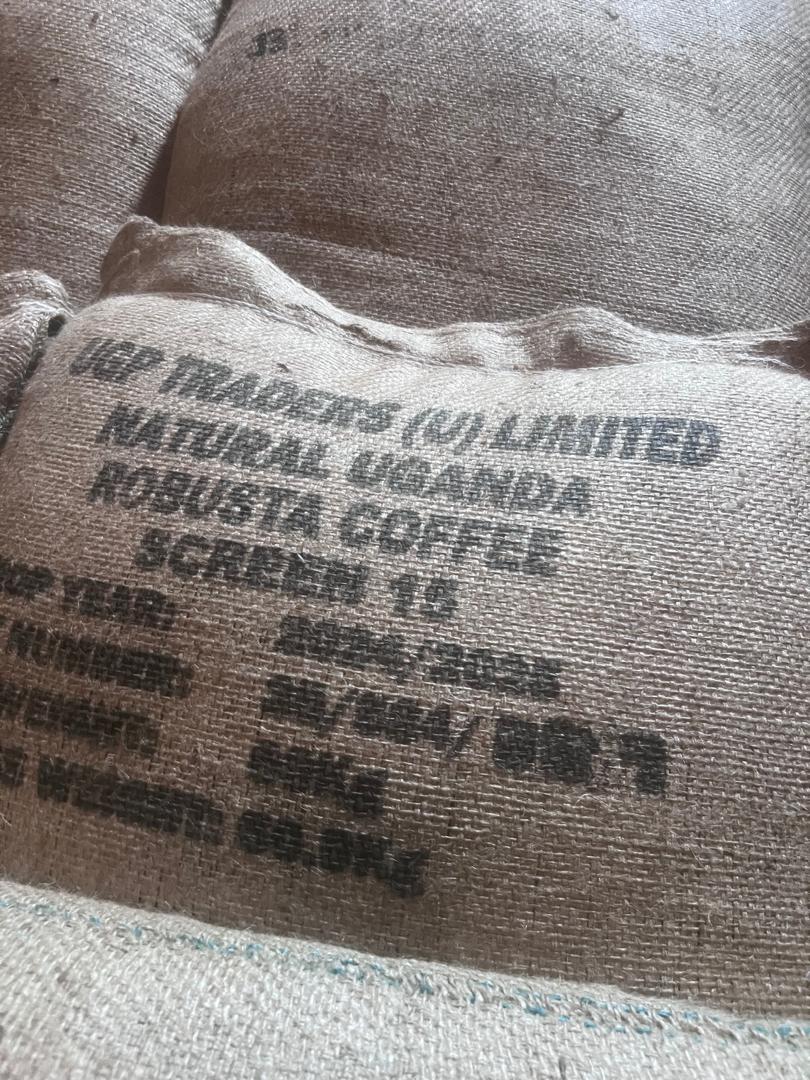
How should you handle these beans once you get them into your hands? Here is your quick guide:
- Sensory Profile: Expect a deep, aromatic nose of dark cocoa and toasted nuts, an exceptionally heavy and syrupy body, low acidity, and a finish of sweet wood and molasses.
- The Roasting Sweet Spot: Take your beans to a Medium-Dark or Dark roast. This caramelizes the natural sugars, smooths out any raw edges, and unlocks rich chocolate notes while producing a thick, tiger-striped, highly stable crema for espresso.
Uncommon and Surprising Uses of Robusta Coffee
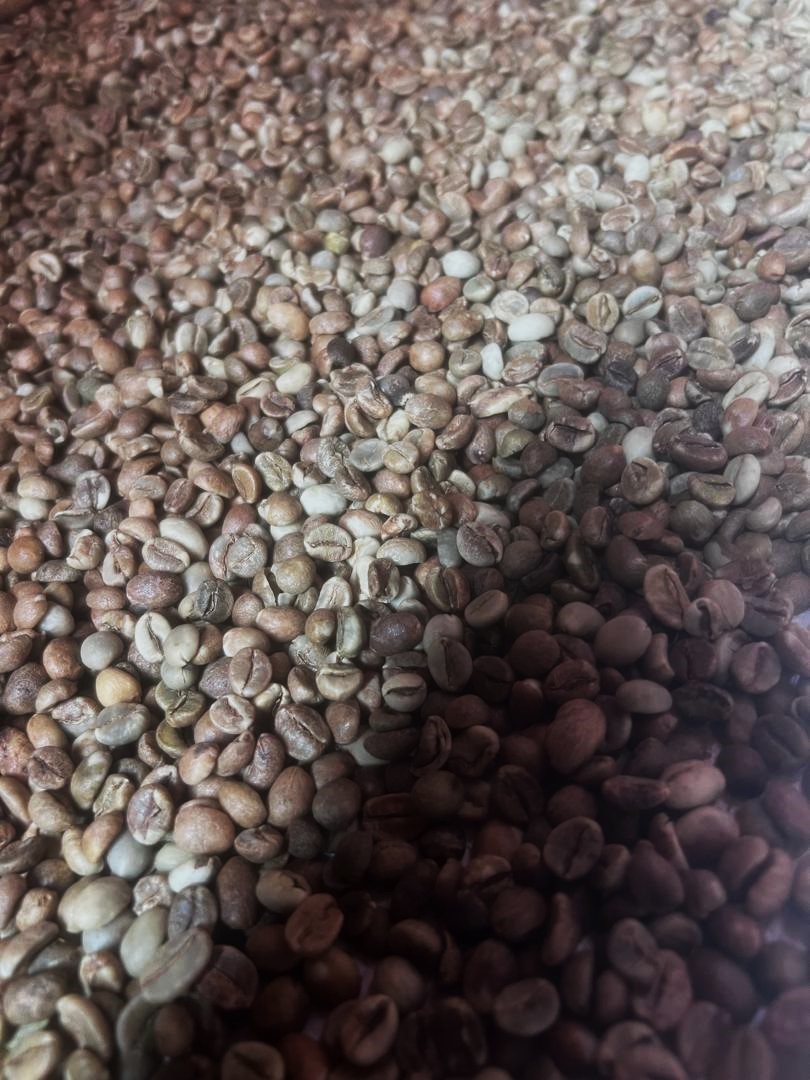
Because of its high caffeine concentration, dense chemical makeup, and antioxidant properties, Robusta isn’t just for drinking. Here are some fascinating ways it is used around the world:
- Functional Beverages & Energy Infusions: Because it packs nearly double the caffeine punch of Arabica with less acidity, food scientists frequently use high-grade Robusta extracts as the base for bottled cold brews, energy drinks, and pre-workout supplements.
- Natural Cosmetics & Skincare: The high concentration of caffeine and chlorogenic acids makes Robusta grounds a superstar in exfoliating body scrubs and anti-aging eye creams. Caffeine acts as a vasoconstrictor, temporarily tightening skin and reducing puffiness and cellulite when applied topically.
- Pharmaceuticals & Nutraceuticals: Robusta bean extracts and green coffee bean oil are rich sources of dietary antioxidants. They are increasingly harvested for use in weight-management supplements and dietary health capsules.
- Flavoring Agent in Confectionery: High-grade, dark-roasted Robusta extracts are often used by chocolatiers and bakers. Their intense, unapologetic cocoa and nutty profiles stand up brilliantly against dairy, making them ideal for coffee-flavored ice creams, liqueurs, and artisan chocolates without tasting watered down.
Curious about how to bring the unique, high-altitude punch of Ugandan Robusta into your product line or roastery? Let’s talk about sourcing your next batch straight from the source!
If you haven't yet found what you were looking for or you need detailed information about the subject matter on this page then... feel free to ask our business travel consultants. |