


Uganda Healthcare Guide
Travel Health Tips, and Industry Business Opportunities
The Uganda Healthcare Guide is the planning tool for your health before you travel to Africa.
Whether you like it or not, if you're not physically healthy your business will automatically suffer.
It is no wonder the perfomance of Apple stock could easily be back tracked and explained by the health of former CEO and Co-founder Steve Jobs.
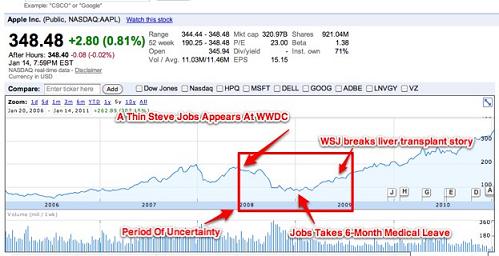
Now you're certainly not Steve Jobs, but if you have to make a billion dollar Oil presentation to the Uganda Energy Minister and you suffer an attack which you don't know is MALARIA, your company stands to loose a life time business opportunity.
We've therefore created the Africa Uganda Health Care guide to help you plan for your physical health and quickly navigate the Uganda Health Care Industry as a first time business traveler to Africa.
In this guide you will find:
- Business Travel Health Tips and Epidemic Alerts
- Quick facts about common Disease conditions you should watch out for during your trip to Africa
- Where to find reputable licensed Uganda Hospitals and Clinics when you need medical care
- Information to help you plan your Health Insurance
- Guidance on available Health Care Related Business Opportunities in Uganda
- You also have the opportunity to get free online Health advice by consulting a practicing Medical Doctor in Uganda.
Health Care Preparations before you travel to Uganda
When preparing your business travel medical kit, remember to include the following items:
To prevent insect bites |
Before making your business visit to Uganda, you may need to get some vaccinations and medications for non vaccine-preventable diseases.
Consult your doctor or health care provider ahead of time to determine what you will need, depending on your past medical and immunization history, areas of the Uganda you will be visiting, and your planned business activities.
To get the most out of your health care preparations, the Uganda Healthcare Guide recommends that you see your doctor at least 4 weeks before your trip. This move will allow time for your vaccines to take effect and you will also get enough time to start taking your medicine to prevent malaria.
Even if you have less than 4 weeks before you leave, the Uganda Healthcare Guide recommends that you still see a health-care provider for needed vaccines, anti-malaria drugs and other medications and information about how to protect yourself from illness and injury while traveling to Africa.
If you're diabetic, hypertensive or have any long standing illness, this is the time you should ask your physcian to give you enough drug stocks for the period you will be out of your own country.
Take an intiative to ask your doctor make a summary of your medical history and the medication you're taking which you can present to any doctor in Uganda for reference in the event that you get a health problem while on your business trip.
The Uganda Healthcare Guide also recommends that you see a health-care provider who specializes in Travel Medicine.
If you're a long-term traveler, that is, you plan to work or study in Uganda, find out the additional vaccinations required by your employer or school.
The Uganda Immigration normally requires an International Health Certificate showing that you have recieved yellow fever vaccination. And if you plan to work in a Ugandan Hospital, government policy recommends that you get immunized against Hepatitis B.
Be sure your routine vaccinations are up-to-date.
Always remember that a business traveler who is not vaccinated is at risk for severe infection.
Have any questions about the health preparations to make before your business trip to Africa? Consult your local travel physcian or the Uganda Healthcare Guide's practicing medical doctor.
Common Diseases you're likely to face during your business trip to Uganda
MALARIA is comparatively the most serious tropical disease to watch out for during your business trip because it can be a deadly illness. Humans get malaria from the bite of a mosquito infected with the parasite.
You will be able to prevent this serious disease as mentioned ealier in this Uganda Healthcare Guide by seeing your health-care provider for a prescription antimalarial drug as prophylaxis and by protecting yourself against mosquito bites.
Most of the Business Travelers I see in Uganda take weekly Mefloquine a.k.a Lariam for Malaria prophylaxis. Malaria symptoms may include:
While the incubation period for the Malaria was first thought to be 21 day, some scientitis believe that Malaria symptoms can occur as early as 7 to 9 days after being bitten by an infected mosquito. In case you get a Fever within the first week of your business travel to Uganda this is unlikely to be malaria; however, you should see a Ugandan doctor right away if you develop a fever during your trip. Malaria may cause anemia and jaundice. Malaria infections with Plasmodium falciparum, if not promptly treated, may cause kidney failure, coma, and death. |
Despite using the protective measures outlined in this Uganda Healthcare Guide, Business travelers may still develop malaria up to a year after returning from Uganda.
You should therefore see a doctor immediately if you develop a fever anytime during the year following your return from Uganda and remember to tell the physician of your Uganda travel.
HIV/AIDS: Acquired Immunodeficiency Syndrome (AIDS) is a serious disease that represents the late clinical stage of infection with human immunodeficiency virus (HIV). HIV progressively damages the immune system. Without an effective immune system, life-threatening infections and other noninfectious conditions related to failing immunity (such as certain cancers) eventually develop.
Uganda pioneered a politically led, multisectoral and open national response to the HIV epidemic in Sub-Saharan Africa as far back as the mid 1980s. The fight has resulted in significant reductions of adult HIV prevalence from a peak of 18% in 1992 to the current 6.4%. The epidemic has geographic, socio-demographic and socio-economic heterogeneity: women, urban residents and people residing in Kampala, and in the central and midnorthern regions are disproportionately more affected. As the epidemic matures, the population groups most severely affected have shifted from young unmarried individuals to older and married or formerly married individuals. Currently, HIV prevalence peaks among women aged 30-34 years and men aged 40-44 years, a shift of five to ten years later from the pattern in the early 1990s. Women are infected more than men across the age spectrum from birth to age 45-49 years (60% to 40%). Gender impacts of the disease are significant. |
No vaccine is available to prevent infection with HIV. And as a Business Traveler you're at risk of contracting HIV if you:
- Have sexual contact with an infected person.
- Use or allow the use of contaminated, unsterilized syringes or needles for any injections or other procedures that pierce the skin, including acupuncture, use of illicit drugs, steroid or vitamin injections, medical or dental procedures, ear or body piercing, or tattooing.
- Receive infected blood, blood components, or clotting factor concentrates.
To reduce your risk of acquiring HIV, as a Business traveler the Uganda Healthcare guide recommends that you avoid sexual encounters with people who are infected with HIV, whose HIV infection status is unknown, or who are at high risk for HIV infection, such as intravenous drug users, commercial sex workers , and other people with multiple sexual partners.
DIARRHEA: You would most likely get diarrhea if you eat infected food or contaminated water.
The Uganda Healthcare guide believes that you can prevent diarrhea by observing these safe eating and drinking tips during your business trip to Uganda.
|
Make sure you bring some diarrhea medicine with you so that you can treat mild cases yourself.
RESPIRATORY TRACT INFECTIONS and ALLERGIES: This type of infectious illness is second only to diarrhoea as a cause of illness in business travellers.
Certain situations encountered when travelling to Africa might increased your risk of acquiring a respiratory infection.
Catching a cold at home is easy enough but travelling will increase your susceptibility and expose you to new germs to which you have no natural immunity.
Coughs, colds and sore throats are very common among Business travellers to Uganda and could be easily treated using over the counter remedies which are available in most pharmacies in Kampala. Antibiotics can also be purchased over the counter in Uganda and could be of added importance when even when you think your cold is viral in nature. The quick use of antibiotics in the relatively highly infectious environments of Uganda could save you from suffering from a full blown Pneumonia attack. The majority of respiratory tract infections are viral and are therefore not susceptible to antibiotic treatment. When prescribed, antibiotics are often for secondary infections. Many travellers spend long periods of time in crowded conditions such as airports, hotels. These places provide ideal conditions for spreading many acute respiratory infections like common colds and influenza. Dry aircraft cabin atmospheres and smoking more than usual (even passively), exposure to new allergens, dust and city air pollution will all contribute to respiratory symptoms. Meningococcal infections, although not themselves infections of the respiratory tract are also spread through the respiratory route and there have been outbreaks in tourist resorts. Vaccination against Meningococcal should be considered if you plan to travel to Northern Uganda because of recent reports of an outbreak of Meningococcal Meningitis. |
Respiratory tract infections are difficult to prevent because of the ease with which they are spread from person to person.
If you're vulnerable to chest infections because of Heart Disease, Asthma or have some allergies, you can benefit from taking with you an emergency course of antibiotics along with your usual medicines during your business trip.
If you have any question about common disease conditions affecting business travellers to you Uganda, contact you your nearest Travel Clinic or consult the Uganda Healthcare guide practicing medical doctor.
Uganda Hospitals Where to seek Medical Care
During the last decade Uganda has seen a significant growth in the quality health care services offered especially by the private sector.
Mulago hospital is the Most Important National Referal Hospital in the country with a Medical school and several independent Medical research institutions within the Hospital Complex.
With the advent of health Insurance in Uganda, a resonable number of private hospitals with the complexity of the National referal level are now available.
As a business traveler, Uganda Healthcare guide recommends that you seek treatment from these types of hospitals when in Uganda.
The Uganda Health Care Guide recommends these private hospitals for the business traveler because they offer relatively quick and quality health services the time of emergencies, and being private, they have better paid health workers who are also well motivated.
The list Includes:
Case Hospital Kampala ,
The International Hospital of Kampala (IHK),
Nakasero Hospital Kampala ,
Kampala Hospital,
SAS Clinic Kampala ,
Paragon Hospital
The country also has many good Private Not for Profit (PNFP) Hospitals ,and Regional Referal Hospitals where you can seek care when you're out of Kampala.
When you visit a hospital or Clinic in Uganda, insist that you see a licenced medical doctor. The country still has some unlicensed health professionals whichyou should be ware of!
Follow this link to find more information about Licensed Hospitals and clinics and where they are located in Uganda.If you have any question about where to seek Medical Care While in Uganda, ask the Africa Uganda Healthcare Guide.
Plan for your Travel Health Insurance
As a seasoned Business traveler, you must be aware of the immense important to including travel insurance in your travel and holiday budget.
It is very important that you insist on taking a policy that covers Medical expenses, along other travel supplies, lost cargo, accidents and many other mishaps that could occur on either a short or long trip.
Check out the Africa Uganda insurance guide for more information about Health Insurance in Uganda.
You can also ask the Uganda Health Care guide if you have a question about planning your health Insurance while in Uganda.
Health Care Industry Business Opportunities in Uganda
The Uganda Health Care Industry is one of the fastest growing sectors today.
Major investment opportunities are can be found in the Health Insurance Sub-sector, Medical and Laboratory Equipment Sub-sector, Pharmaceutical and Medical products sub-sector as well as Hospitals and Clinics.
Uganda is among the African countries with the least developed health insurance industry but Uganda’s insurance industry growth estimated at whooping 30 percent, the expansion seems inevitable as people’s confidence in healthcare insurance is growing.
The growing availability of Medical Insurance in Uganda has opened up a lot of opportunities in the Health Sector as more corporate Ugandans can now afford quality health care.
Additionaly, the government of Uganda is planning a countrywide health insurance scheme, the cabinet in the passed approved a National Hospital Insurance Fund (NHIF) that will make it compulsory for all workers to pay health insurance to the fund.
With the continued willingness and ability of the Ugandan population to pay for quality health care services, business prospects in the Uganda health care industry remain quite attractive.
Click here for information about procedures and guidelines for starting a Health Care related business in Uganda
Have A Question About Health Care Services in Uganda?
Do you have a question about Health Care and Travel in Uganda? Ask the Uganda Health Care Guide and other Business travelers who visit our website!
Ask any question about what to prepare in your Health Travel Kit, and Common tropical diseases that could attack you during your visit to Uganda then expect an answer from a practicing Medical Doctor in Uganda or an experienced Uganda Business traveler.
You can also ask about Healthcare Insurance in Uganda and the available Health industry investment opportunities or any other Health related question for which you feel you need an answer before making your business trip to Africa.
Uganda Healthcare News and Answers to Frequently Asked Questions About Health Care in Uganda
Click the links below to see the Uganda Health news updates , Healthcare related questions asked by other visitors and the answers they have got ....!
Uganda Tourism Board issues guildelines on Coronavirus 
KAMPALA -The Uganda Tourism Board (UTB) has issued travel guidelines to tour operators and those travelling to Uganda, especially from six countries most …
Uganda Bottled Water Industry Policy in Offing: Water Safety and Tax are Concerns
As the safety of bottled water becomes a concern for many consumers, the ministry of Trade has embarked on a process that will formulate a policy to regulate …
476 Licensed and Registered pharmacists, not enough for Uganda Health Investors
The shortage of qualified pharmacists is constraining investment in the health sector, according to medical practitioners.
According to the secretary …
So, What is this Mysterious Nodding Disease in Northern Uganda?
26-Jan-2012
Over 200 children have so far died of the mysterious Nodding disease in northern Uganda where it broke out three years ago.
The Ministry …
Uganda Cancels G77 Summit Due to Coronavirus Not rated yet
Uganda has cancelled all international conferences that were scheduled to take place in the country over the coronavirus outbreak.
Among the cancelled …
Quality chemicals Uganda limited to sell 51% stake to Cipla Not rated yet
Drug major Cipla has inked a pact with Uganda's Quality Chemicals to acquire majority stake in the Africa-based firm for a total consideration of over …
Typhoid Outbreak in Uganda - March 2015 Not rated yet
Typhoid fever – Uganda
Disease outbreak news
17 March 2015
On 24 February 2015, the Ministry of Health of Uganda notified WHO of a typhoid fever …
Ebola Not rated yet
Question:
I am traveling to entebbi in September this year,is there a risk of Ebola there?
Answer:
No, Entebbe Airport is no risk area for Ebola. …
HEALTH ADVICE ON VIEWING THE SOLAR ECLIPSE IN UGANDA Not rated yet
Dear Colleagues, friends and visitors,
On Sunday, 3rd November, 2013 the world will witness one of a very rare eclipse- the Solar Eclipse. Uganda is …
Uganda to host global health conference in Feb 2013 Not rated yet
An upcoming global conference to be held in Kampala next month will include a presentation by researchers, on the health threat of jiggers, the President …
Recent Viral Outbreaks in Uganda Impact Tourism Industry Not rated yet
LESS than two weeks after declaring Uganda free of Ebola in Kibale, a very virulent haemorrhagic viral infection, Marburg, a disease caused by a sister …
Uganda Endorses Chinese Anti-malarial Drug to Curb Deaths Not rated yet
Uganda's ministry of health has approved the use of Artesunate, a Chinese made anti-malarial drug to help treat severe cases of malaria, a disease that …
China Oil Giant - CNOOC Uganda donates 85M in drugs to treat cholera at Exploration District Not rated yet
Residents of Ntoroko district Uganda in the oil-rich Lake Albert basin have received drugs worth sh85m to treat Cholera.
The disease has claimed two lives …
Uganda Women Benefit from Rapid Syphilis Tests Not rated yet
Pregnant women are benefiting from new rapid tests for syphilis in six countries thanks to influential research by the London School of Hygiene & Tropical …
Nevirapine based treatment for HIV is effective in African women: Uganda a Trial Site Not rated yet
In African women, an anti-AIDS treatment regimen that includes the drug nevirapine is as effective as a treatment regimen with the more expensive drugs, …
Private Sector Foundation Uganda (PSFU) has set up a health fund Not rated yet
The Private Sector Foundation Uganda (PSFU) has set up a health fund to support the fight against maternal and infant deaths in the country.
PSFU hopes …
Smart Phones Improve Access to Health Information in Uganda Not rated yet
The widespread affordability of cell phones in developing countries, like Uganda, has led to experiments with voice and text message-driven health campaigns. …
HIV Lessons in the Uganda Marketplace Not rated yet
The Market Vendors AIDS Project MAVAP programme implements an HIV service model, where all related services are provided by leaders and peer educators. …
Uganda Districts require 600Million to fight Nodding Disease Not rated yet
The Government has delivered medical supplies worth sh150m to people affected by the nodding disease in northern Uganda, information minister Mary Karooro …
Manufacturing Anti-retro viral and anti-malarial drugs in Uganda Not rated yet
The Quality Chemical Industries home in Luzira is a glassy modern piece of architecture with an exterior that would pass for a grand hotel instead of a …
Home-based saliva HIV test kit coming to Uganda Not rated yet
The Food and Drug Administration (FDA) of the United States yesterday approved the worldwide use of a saliva test kit for HIV detection, just days after …
Ugandan children get new lease on life at D.C. hospital USA Not rated yet
Twelve-year-old Darwin Wafoymungu could never do the simple things most boys his age could do.
But now, he's a kid with a plan.
"I want to play," …
Response efforts to outbreaks of Ebola hemorrhagic fever in Africa Not rated yet
Response efforts to outbreaks of Ebola hemorrhagic fever in Africa can benefit from a standardized sampling strategy that focuses on the carcasses of gorillas, …
Uganda Ministry of Health to Receive 3MW of Solar Panels Not rated yet
Eclipsall, announced today that the company has entered into an agreement to supply 3MW of solar panels to the Government of Uganda, Ministry of Health. …
Standard chartered Bank and Sight Savers International Team up to restore sight to the Blind Not rated yet
Standard chartered Bank and sight savers international have launched a five year campaign to restore sights of 1000 blind people in Uganda.
The sight …
Exploring the Role of Mobile Technology in Uganda Health Care Not rated yet
Two decades ago, a woman having a difficult birth in a Ugandan village would have had few options to get life-saving treatment if there was not a nearby …
Uganda Launches DFID funded Mental Health Programme Not rated yet
Health experts have warned that Uganda risks suffering reduced economic growth unless the Government addresses the acute shortage of psychiatrics to handle …
Uganda Health Care insurers attract Private Equity Funds Not rated yet
Health insurance providers in Uganda are attracting investments from equity fund firms and international financiers.
International Medical Group, which …
Uganda named among the first beneficiaries of a Global Fund Initiative to avail low cost Anti-Malarial Medication Not rated yet
To date, the Global Fund to Fight Aids, Tuberculosis and Malaria has committed over 22 billion dollars to battling these three killer diseases across 150 …
Antiviral Drugs Advisory Committee approves pill to prevent HIV/AIDS in uninfected persons Not rated yet
A pill to prevent HIV could soon be available in what would be a major breakthrough in the three decade fight against the Aids epidemic. Truvada is currently …
Red Cross Marks 48years in Uganda: Asks government for Tax Relief Not rated yet
The Uganda Red Cross Society (URCS) has asked government to consider waiving taxes on imported relief items by the disaster relief agency.
The URCS …
Uganda Physician to Head African Leg of US2.82Million University of Georgia TB Study Not rated yet
Christopher Whalen, the Ernest Corn Professor of Epidemiology in the department of epidemiology and biostatistics in the University of Georgia College …
Global Fund-Led Initiative Slashes Cost of Anti-Malaria Medicines in Many African Countries Not rated yet
An innovative initiative led by the Global Fund to Fight AIDS, Tuberculosis and Malaria to put affordable and effective anti-malaria medicines in remote …
Treatment Failure among some Uganda HIV patients a Challenge Not rated yet
As the Ugandan Anti-retroviral Therapy (ART) programme matures, new challenges have begun to emerge. Available research indicates that the longer one stays …
Uganda Losing 658M in Malaria Related Costs Not rated yet
Uganda has recorded strides in fighting malaria, with prevalence rates and deaths dropping compared to five years ago, according to a senior official in …
WHO issues new guidelines on HIV/AIDS to be used in Uganda Not rated yet
The World Health Organisation (WHO) has issued new guidelines encouraging couples to go together for HIV testing in order to know their HIV status.
…
The father of Neurosurgery in East and Central Africa Not rated yet
He might be gone, but his legacy lives on. Add the name Jovan Kiryabwire to a statement and it will have an enhanced meaning, especially to that man or …
Building a Drug-Resistant TB Program in Uganda Not rated yet
Uganda is one of the world's 22 high burden countries for tuberculosis (TB). Despite having a national treatment program for drug-sensitive TB, there has …
Help for Uganda's cervical cancer patients Not rated yet
In Uganda, where every year nearly 2,500 women die from cervical cancer, a British specialist has set in motion a screening and care programme that is …
India Based Apollo Group of Hospitals to Invest In Uganda Not rated yet
18-April-2012
Ugandanswith serious health complications may soon start getting treatment from within Uganda if Apollo Group of Hospitals fulfills its …
Joint Clinical Research Centre Uganda to Set up a USD 120 Million Hospital Not rated yet
10-April-2012
Government, in partnership with a top Japanese medical group, is to put up an ultramodern hospital to offer advanced heart surgeries and …
So Who is Making Business Deals in the Uganda Health Care Industry Not rated yet
10-April-2012
With rising costs in medical treatment, International Hospital Kampala (IHK) has partnered two firms – Netherlands’ TBL Mirror Fund and …
Gulu Hospital in Northern Uganda Gets Medical Equipment Worth 100million Not rated yet
4-April-2012
AMREF Uganda has given medical equipments to Gulu District local government worth 100 million shillings to help in maternal and Child Care, …
Tachoma Hits 6,000 in Moroto District, Karamoja Region Uganda Not rated yet
4-April-2012
Over 6,000 people have been treated for eye complications at Moroto Hospital over the last three months.
The officer in charge of the …
Maternal Health Issues to Dominate World Members of Parliament Meet Not rated yet
30-March-2012
The world parliamentarians ' meeting in Kampala will be dominated by maternal health issues, as African women and health experts push …
Uganda Researchers Find HIV Drug useful in Promoting the Preventive Effects a some Anti-Malarial Medicines Not rated yet
26-March-2012
Researchers in Uganda have found that an anti-retroviral drug used to treat HIV boosts the preventive effects of one specific antimalarial …
Uganda Government Wants Health Warnings on Soft Drinks Not rated yet
27-March-2012
You have seen them before. Claims of fresh fruit, vitamins and supplements in a juice – which after you drink it, tastes sweet and sugary …
Uganda National Health Insurance Scheme to Spur Sector Growth Not rated yet
26-Jan-2012
Insurers are eagerly eying the planned National Health Insurance Scheme, which is expected to take effect next year,
as an opportunity …